

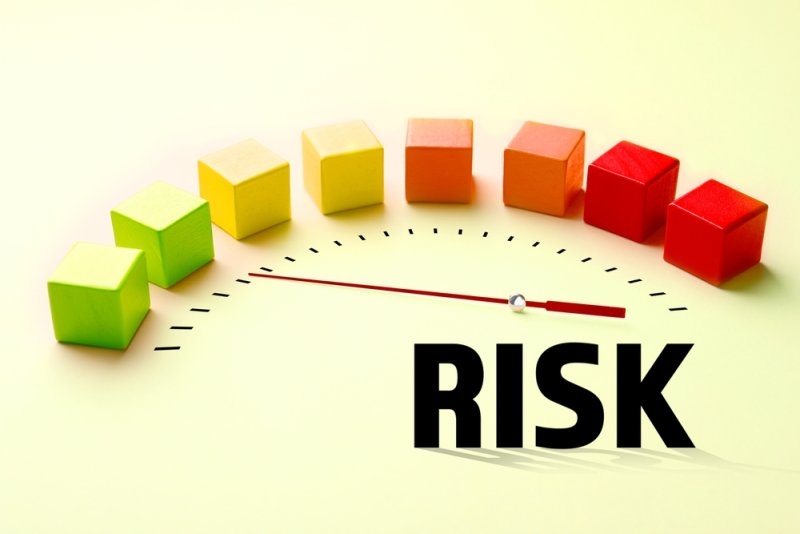
Trouble finds every business eventually. Doesn't matter how big you are or how careful you've been. What separates the companies that handle it well from the ones that don't usually comes down to whether they saw it coming. Risk management, done right, isn't about predicting the future — it's about building enough structure that when something does go sideways, you're not starting from zero. Here's what that actually looks like in practice.
Strip away the jargon, and it's pretty simple: figure out what could hurt your operations, your money, or your name, then decide how likely each thing is and how bad it would be if it happened. Once you've got that ranked, you build controls around the ones that actually deserve your attention — not everything, just the stuff that matters. Do this consistently, and you're protecting more than this quarter's numbers. You're protecting the next five years.
Markets don't give much warning anymore. Supply chains that seemed rock-solid last year can fall apart in a week. So no, this isn't really optional territory anymore for anyone who wants to still be around after the next disruption hits. Companies with an actual plan tend to make decisions faster when things go wrong — and they lose noticeably less money doing it.
There's a trust angle too, one people don't talk about enough. Lenders notice. Partners notice. Even customers pick up on it eventually. If you're still working on the financial side of things, building a strong business credit score is a decent place to start — it feeds directly into how much risk cushion you actually have.
You can't manage what you haven't named. And most companies aren't dealing with just one kind of risk — they're stacking two or three at a time without even noticing.
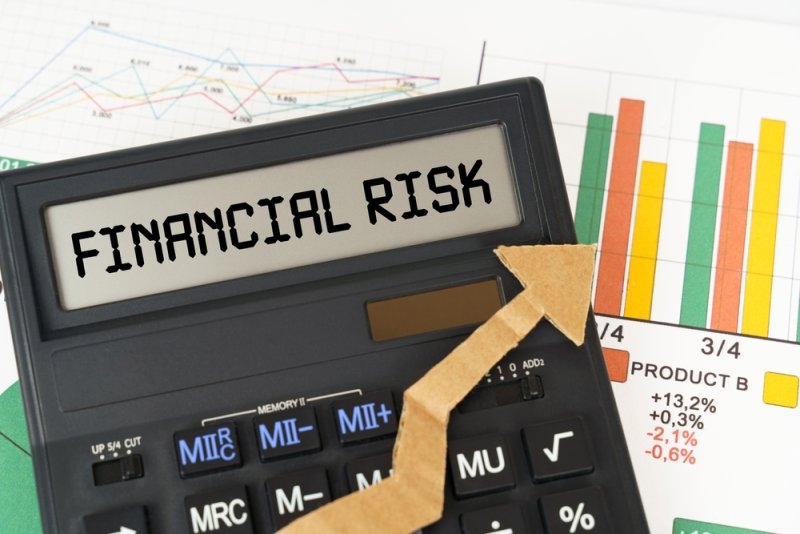
This is the cash flow stuff — debt, revenue swings, and clients who pay whenever they feel like it. One late payment or one surprise rate hike and suddenly your budget's tighter than planned. Keeping some reserve on hand and not betting everything on one income stream helps, but the real danger is timing: this risk always seems to show up right when your cushion is thinnest.
Equipment breaks. People call in sick or quit, or both, at once. A single delayed shipment can stall production for weeks if you don't have a backup plan. Most companies handle this with redundant vendors and routine checks, but here's the thing — operational risk tends to hide in plain sight until it's already caused damage.
This one's about the big swings. A new market that looked promising on paper but flopped in reality. Bad timing, misjudged demand, whatever — it burns through months of planning fast. The fix isn't complicated, though: test small before you go all in. Most strategic missteps are avoidable with a little more homework upfront.
Laws change. Licensing rules change. Miss an update, and you could be looking at fines before you even know there's a problem. Regular audits and staying current on policy are the standard defense here, and honestly, this risk grows fastest in industries where regulations shift every year or two.
One bad review, one scandal, one customer service disaster gone viral — and suddenly you're playing defense for months. Social media doesn't forget, and it definitely doesn't wait for you to respond. Being honest and quick when something goes wrong is really the only real protection. The damage almost always outlives whatever caused it in the first place.
Also Read: How Does Augmented Reality Work? Examples, Uses, and More
Not every risk deserves the same response. Overreact to a small one, and you waste resources; underreact to a big one, and you're in real trouble. Most businesses end up choosing between four approaches, sometimes using all four at once for different risks.
Sometimes the smartest move is just not doing the thing. A product line that looks too risky to test safely? Plenty of companies simply walk away. It's the safest option by far — but lean on it too much, and you'll find yourself avoiding growth along with the risk.
You can't eliminate risk, but you can shrink it. Better training, tighter quality checks, spreading your marketing across more channels instead of betting on one — all of it chips away at exposure over time. Diversifying how you reach customers, through smarter small business marketing strategies, for example, does double duty here: it grows the business and spreads the risk at the same time.
This is where insurance and contracts come in — you're not eliminating the risk; you're handing the bill to someone else if it happens. Liability coverage is the obvious example. It won't stop a claim from coming, but it caps what it actually costs you. Works especially well for anything that could otherwise wipe you out financially.
Some risks just aren't worth the effort to control. Too small, too rare, and too expensive to fully insure against. In those cases, a lot of businesses just set aside a small buffer and move on — saving the real resources for the risks that actually deserve them. Only makes sense, obviously, if the worst-case scenario is genuinely survivable.
One planning session won't cut it. This has to be ongoing, because your business keeps changing and so does everything around it.
Do this enough times, and it stops feeling like a chore — it becomes a habit. The companies that keep coming back to their plans are the ones that catch problems while they're still small.
Top Pick: AI vs Machine Learning: Differences, Uses & Examples
Most risk plans don't fail because they were badly designed. They fail because nobody looked at them again after the first draft.
Avoid these, and your plan actually stays useful — instead of becoming a file nobody opens again.
Really, it's about protecting three things — your finances, your operations, and your reputation — from whatever catches you off guard. It gives you a way to spot trouble early and deal with it before it starts affecting the day-to-day.
Quarterly works for most companies. If you're growing fast or things are changing constantly, monthly might make more sense. Either way, a plan you never revisit is basically already outdated.
Avoidance means you skip the activity altogether because the downside's too steep. Acceptance means you know the risk exists, decide it's minor enough, and choose not to spend money controlling something that would cost more to prevent than to just deal with if it happens.
Yes, and it doesn't require a big budget to start. Basic insurance, some staff training, and decent documentation — that's enough to begin. You don't need an elaborate system on day one; small, consistent steps add up.
Because everything spreads instantly now. One unresolved complaint on social media can do more damage in a week than it used to do in a year. Being quick and honest about mistakes matters more than it ever has.
This content was created by AI