

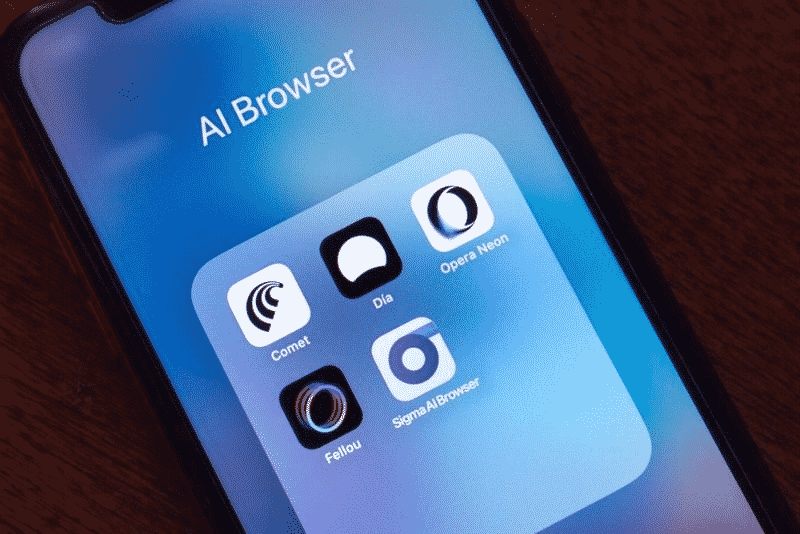
People don’t search online the way they used to. Once upon a time, search engines just relied on keywords and links, but now, things feel a lot more direct, personal—even smart. By 2026, all kinds of folks are using AI browsers that can sum up web pages, answer questions instantly, and help you finish your tasks without drowning in tabs. This whole shift is making the internet less exhausting and a heck of a lot smoother to use.
So, why are people making the switch? Mostly, it’s about simplicity. AI browsers understand the bigger picture, not just the words you typed. They deliver spot-on results—often real answers instead of a mess of blue links—and throw in quick sources for you to double-check, too.
In 2026, convenience is king. Everyone wants information fast, without jumping through hoops. A lot of people want to know, “How are AI browsers actually making search better now?” Simple: they roll tailored recommendations, clear summaries, and smart answers into one smooth ride. It’s less hunting and more finding.
AI browsers today don’t just spit out matches for a bunch of keywords. They actually get what you’re after. You’re not stuck entering short phrases like “best phones 2026.” Instead, you can ask a real question and get a straight answer right away. These browsers learn your habits and interests, so their suggestions get better over time.
People have jumped on board because this saves real time—whether you’re shopping, researching, or just handling daily stuff. No more bouncing around ten sites just to compare details. The browser does that heavy lifting for you: scanning pages, picking out what matters, and handing you the highlights. In the end, you spend less time sifting and more time actually getting things done.
Back in the day, search engines mostly ranked pages by keywords and backlinks. Now, AI search engines dig deeper—they try to figure out what you really want. That means the answers aren’t just relevant; they’re conversational, specific, and straight to the point.
Today’s search results can show you summaries right on the results page. If you’re looking for travel inspiration, recipes, or product comparisons, you’ll see quick overviews before you even click. It saves time and helps you spot what’s useful fast, so you don’t keep running the same search over and over.
Plus, voice and visual search are part of the game. You can snap a picture, ask a question out loud, or chat with the browser like you would with an assistant. These tech innovations are perfect for anyone who’d rather talk than type out long searches.
Maybe the biggest win from all this: people feel like they can finally keep up. Work, entertainment, shopping, emails—the average person does it all online, every day. AI browsers bring order to the chaos.
They’ll pull the main points out of long articles, manage your tabs, and even guess what info you’ll need next. Students get through research faster, professionals cut down on report-writing headaches, and shoppers compare options without jumping site to site. You’re not just doing more—you’re doing it with less stress.
A lot of these browsers come loaded with built-in assistants, too. You can write emails, make notes, translate foreign websites, or get help understanding tricky stuff, all without hopping to another app. Everything just happens inside your browser—saving time, keeping you on task, and honestly, making the internet feel a little less overwhelming.

Smart browser tools aren’t just nice-to-have add-ons anymore—they’re quickly turning into the backbone of how we use the internet each day. People use them to find information faster, keep their digital lives organized, and get tasks done with a lot less hassle.
Today, you’ll find browser tools that sniff out fake reviews, give you quick summaries from meetings, clean up your bookmarks, or steer you toward safer corners of the web. Some are all about helping you write better, create content on the fly, or even keep tabs on your online spending. Since everything happens in real time, these tools step in right when you need a hand.
Privacy used to be an afterthought, but not anymore. The latest AI browsers block sneaky trackers, send up warnings when you’re about to wander onto a shady site, and do a much better job of keeping your data safe. People expect both convenience and security now, and browsers are finally getting the message.
AI is also shaking up online shopping in a big way. Instead of opening a ton of tabs to compare prices, now your browser does the heavy lifting. Instant product comparisons, real-time price histories, and smart recommendations are all baked in—you just get the benefits. The browser figures out what you care about—budget, taste, old purchases—and surfaces the right products at the right time. You don’t miss sales because your browser tips you off when prices drop or when there’s a better option out there.
There’s also a review analysis. Instead of scrolling through hundreds of opinions, AI boils thousands of reviews down to the stuff that really matters—how the product actually holds up, what the delivery is like, and anything else you’d want to know before hitting “buy.”
The way we browse is shifting, too. Browsers are turning into real conversation partners. Instead of just typing keywords and clicking links, people are starting to chat with their browser—asking questions or giving instructions just like they would with a personal assistant.
Read More: Generative AI Vs Traditional AI Explained in Simple Terms
AI browsers are reshaping how we use the internet. Smart searching, relevant recommendations, and incredibly fast shopping. Essentially, built-in assistants that chop down hours of manual tasks into mere minutes and a few clicks. And as AI search and browsing continue to mature, the Internet transitions from a sprawling repository of static web pages to something resembling a proactive assistant that can really aid you in your endeavors. Passive browsing has officially become a relic of the past—AI-powered browsing is simply how things work now in 2026.
AI browsers actually try to figure out what you want, then pop up smart suggestions and summaries, and give answers right on the spot. With traditional browsers, you’re basically relying on search engines and digging through pages yourself. AI browsers jump in and help out while you’re online, tweaking the search to fit you, automating stuff, and making things way more personal.
Not completely—at least not yet. But the way people search is definitely changing. Now you see classic search engines adding AI features just to keep up. Pretty soon, we’ll probably get a blend: traditional methods like indexing mixed in with AI-generated summaries and chat-like interactions. That combo should make searching faster and more accurate.
Yes, they’re actually pretty good at it. Lots of these browsers pack in advanced security. They spot shady websites, block sketchy trackers, and warn you about scams as you go. A few of them may even scan a risky download or expose fake reviews. And all of that, you can make your browsing secure and your private data safe.
Because everyone now wants easy and fast, doesn't it? Smart browser tools save your time and help you find your answer very quickly and without navigating through apps or tabs repeatedly. Easy writing, online shopping, research, and privacy are very handy. That's the reason it is used by every person, from students to grandmothers.
This content was created by AI