

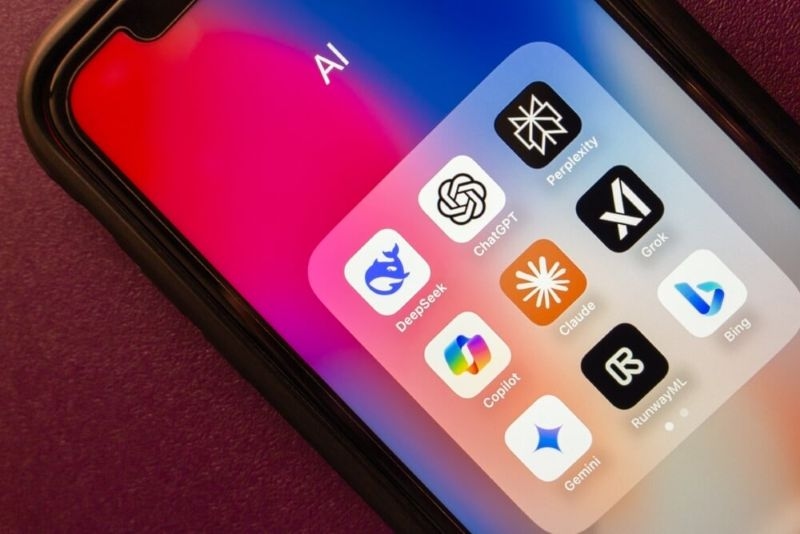
AI research has changed quietly, then suddenly. What once took weeks of reading, note-taking, and cross-checking can now happen in hours, sometimes minutes. That doesn’t mean research has become lazy or shallow. It means it has become faster, broader, and more demanding in a different way. This blog walks through how AI tools for deep research work, which platforms stand out, and why researchers across the US are rethinking how they ask questions, not just how they find answers. You’ll see real tools, real trade-offs, and a few honest moments where automation helps and where it still falls short.
Research today feels less like digging with a shovel and more like scanning the horizon with binoculars. This section sets the tone by explaining why AI tools for deep research are becoming essential, not optional, especially for professionals who need speed without losing depth.
Deep research used to mean stacks of PDFs, endless browser tabs, and coffee that went cold. Now, AI can read thousands of pages quickly and surface patterns a human might miss. That doesn’t replace judgment. It sharpens it. Researchers still decide what matters, but they start from a clearer map.
Faster insights sound nice, but accuracy matters more. The real value of AI tools for research comes from how they compare sources, flag contradictions, and highlight gaps. You know what? Sometimes the most useful insight is realizing what no one has answered yet.
AI can summarize, cluster, and suggest. It cannot feel curiosity. That part is still ours. The best results happen when human questions meet machine stamina. Think of it like a long road trip. AI drives the highway miles. You still choose the destination.
Top Pick: The Rise of Edge AI Trends 2025 for Speed and Privacy
Before naming tools, it helps to understand what’s happening under the hood. This section gives a simple, approachable look at how these systems process information.
Most AI tools for deep research rely on large language models trained on books, papers, and public data. They don’t think, but they predict language very well. That prediction skill lets them summarize complex material and connect ideas across domains.
Strong research tools do not just generate text. They retrieve relevant documents first. This retrieval step is what separates casual chatbots from serious AI tools for researchers. Without it, responses feel confident but floaty.
Here’s the thing. The first answer is rarely the best one. Good tools encourage follow-up questions, refinements, and comparisons. Research becomes a conversation, not a single command.
People often ask which AI tool is best for deep research. The honest answer is that it depends on what you’re researching and why. This section walks through major platforms and where they shine.
ChatGPT has become a familiar name in the US, especially among students, analysts, and writers. Its deep research modes allow longer context, structured summaries, and iterative questioning. It works well for literature reviews, early hypothesis building, and sense-making across topics.
Gemini stands out when current information matters. It connects well with web-scale data and feels natural for trend analysis, market research, and policy monitoring. If your work changes week to week, this tool keeps pace.
Perplexity appeals to researchers who want answers tied closely to documents. It feels closer to a research assistant than a creative partner. For journalism, academic prep, or fact-heavy projects, that grounding builds confidence.
Claude is known for handling long documents and nuanced prompts. Legal teams, policy analysts, and compliance researchers often prefer it because it stays calm and structured when content gets dense.
Elicit focuses on papers, studies, and scholarly summaries. It’s not flashy, but it’s focused. For systematic reviews or early-stage academic work, it saves hours by highlighting methods and findings clearly.
Also read: AI Integration in Devices: Smarter Tech for Everyday Living
General tools are useful, but some fields need extra care. This section looks at how specialization changes tool choice.
Researchers in healthcare use AI to scan clinical studies, compare trial outcomes, and track emerging therapies. Accuracy and caution matter here. Tools that emphasize document retrieval and transparency tend to earn trust faster.
Law and policy move slowly, then suddenly. AI helps by tracking precedent, summarizing long opinions, and spotting shifts in language. Still, human review remains non-negotiable.
In business, speed often wins. AI tools for deep research help teams scan reports, earnings calls, and consumer feedback quickly. Patterns emerge faster, which helps decision-makers act while the window is open.
Choosing tools can feel overwhelming. This section offers a grounded way to think about evaluation without turning it into a checklist marathon.
A polished interface means little if answers stay shallow. Test tools with complex questions. Ask for comparisons, contradictions, and caveats. The best AI tools for researchers stay honest when answers are uncertain.
Look for tools that show where information comes from or at least explain how conclusions form. Blind confidence is a red flag in research.
Suggested reading: 5G Technology: How It’s Changing Connectivity & Business
AI sounds powerful, but it isn’t magic. This section slows things down and names the boundaries clearly.
AI reflects its training data. That means blind spots remain, especially for niche or emerging topics. Critical reading skills still matter.
AI writes smoothly, sometimes too smoothly. Researchers need to pause and verify, even when answers sound right. Honestly, that pause is where good work happens.
AI tools for deep research are not about replacing expertise. They’re about extending it. For researchers in the US juggling speed, accuracy, and complexity, these tools offer breathing room. They read faster than we can, connect dots we might miss, and still leave the final call to human judgment. The future of research feels less frantic and more focused. And honestly, that’s a welcome shift.
There’s no single winner. ChatGPT, Gemini, Claude, and Perplexity each suit different research styles and goals.
Yes, when used carefully. They work best as assistants, not final decision-makers.
They complement rather than replace them. Human review, context, and ethics remain essential.
Absolutely. Small teams often benefit the most because AI reduces manual workload quickly.
This content was created by AI